PD-MOVE Project
The PD-MOVE project – Integration of Augmented Visual Feedback into Action Observation and Motor Imagery Therapy for Parkinson’s Disease – is a randomized clinical trial that aims to explore whether the integration of TecnoBody® D-Wall technology into treatments based on Action Observation and Motor Imagery can enhance motor learning in patients with Parkinson’s disease.
The project stems from a collaboration between the Centre for Healthy Longevity – CHL of the University of Bergamo, FERB – European Foundation for Biomedical Research, and the ANTHEM – AdvaNced Technology for Human centEred Medicine project. The research is conducted at S. Isidoro Hospital in Trescore Balneario, a clinical setting specialized in the rehabilitation of patients with neurological and musculoskeletal disorders. The study protocol has been registered on the international platform ClinicalTrials.gov with the identifier NCT07094828.
The underlying hypothesis of the project is that augmented visual feedback may promote greater awareness of body orientation, provide real-time corrective information, and support sensory integration processes, which are often impaired in Parkinson’s disease. The D-Wall technology functions as a “digital mirror” equipped with a 3D camera, force plates, and a screen, allowing patients to visualize their body movements and receive feedback on joint mobility, balance, and weight distribution during exercise execution.
A key strength of the project is the use of instrumental gait analysis in a laboratory setting. This assessment enables the patient’s movement to be studied objectively and quantitatively, going beyond clinical observation alone. Through an integrated system composed of six infrared cameras, force platforms, and surface electromyography (BTS Bioengineering), it is possible to collect detailed information on kinematics, dynamics, and muscle activation during functional activities.
Another qualifying feature of the project is its multidisciplinary nature, involving physicians, physiotherapists, psychologists, and researchers. This integration makes it possible to combine clinical, rehabilitative, and technological expertise, with the aim of developing an innovative, person-centered protocol.
VIveDe Project
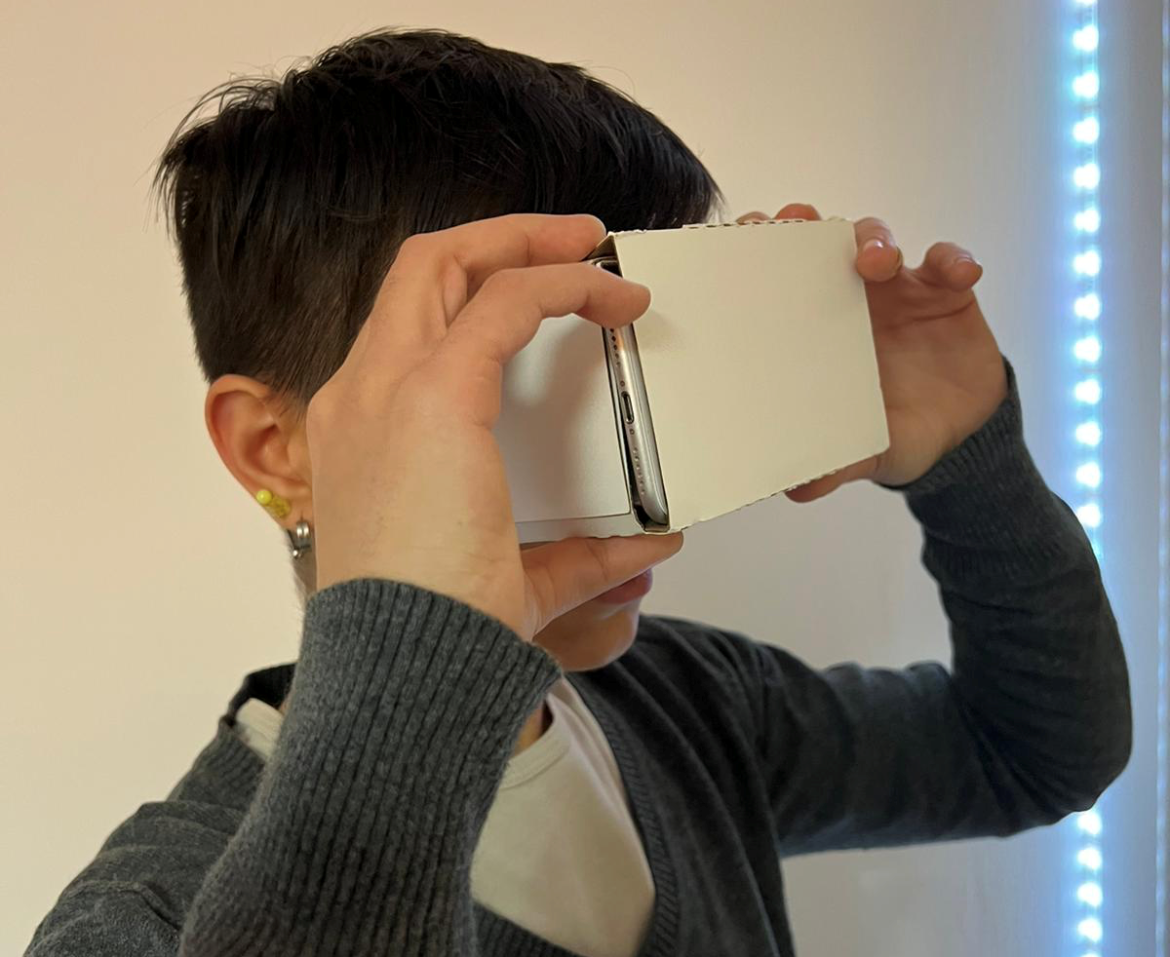
Il progetto ViveDe: "Vivere con la demenza" permette di sperimentare attraverso di 6 video 360º cosa vuol dire avere una diagnosi di demenza e affrontare la vita di tutti i giorni, insidie e sfide comprese.
Attraverso la fruizione in prima persona, possibile da smarphone o tablet, anche in 3D attraverso dei comuni visori VR (occhiali Google cardboard V2 o simili), si ha la possibilità di “mettersi nei panni” di una persona con fragilità cognitiva.
I video mostrano quali possibilità e difficoltà una persona con demenza ha nelle situazioni di vita quotidiana, come abitare da soli, preparare i pasti, fare la spesa, andare al bar o al ristorante, gestire le relazioni sociali e coltivare i propri interessi e hobby.
ViveDe, oltre a permettere di cambiare il punto di vista e diventare più consapevoli dei sintomi evidenti nelle diverse forme di demenza, vuole supportare gli individui, i gruppi e le comunità nel comprendere cosa è possibile fare, come attori di cambiamento, per favorire le persone con demenza nella vita di tutti i giorni. ViveDe, infatti, è uno strumento utile per la costruzione e la promozione di una cultura Dementia Friendly che chiama tutti i cittadini, nell’esercizio del proprio ruolo personale e professionale, ad essere più inclusivi nei confronti delle persone con demenza.
ViveDe è stato utilizzato all’interno di un progetto di ricerca, finanziato dall’Alzheimer’s Association (Grant AACSF-22-924470), rivolto a caregiver familiari di persone con diagnosi di malattia di Alzheimer per la promozione dell’empatia e del benessere psicologico.