Age on screen Project
Representations of Ageing and Ageism in Contemporary Italian Cinema
Ageism currently constitutes one of the most widespread yet least explored forms of social prejudice within the scientific debate. In societies characterized by progressive demographic ageing and the increasing pervasiveness of the media, representations of age play a central role in constructing the collective imagination, helping to define what is considered normal, desirable, or marginalized in the different stages of life.
The project L’età sullo schermo (Ageing on Screen) is positioned at the intersection of media studies, health psychology, and ageing studies, aiming to analyze how media narratives contribute to the social construction of old age and influence the identification processes associated with it. The research stands out in the Italian landscape for its interdisciplinary approach and its adoption of a comparative and cross-media perspective, representing an absolute element of novelty in our national context, where the systematic study of ageism applied to cultural products is still largely in its infancy.
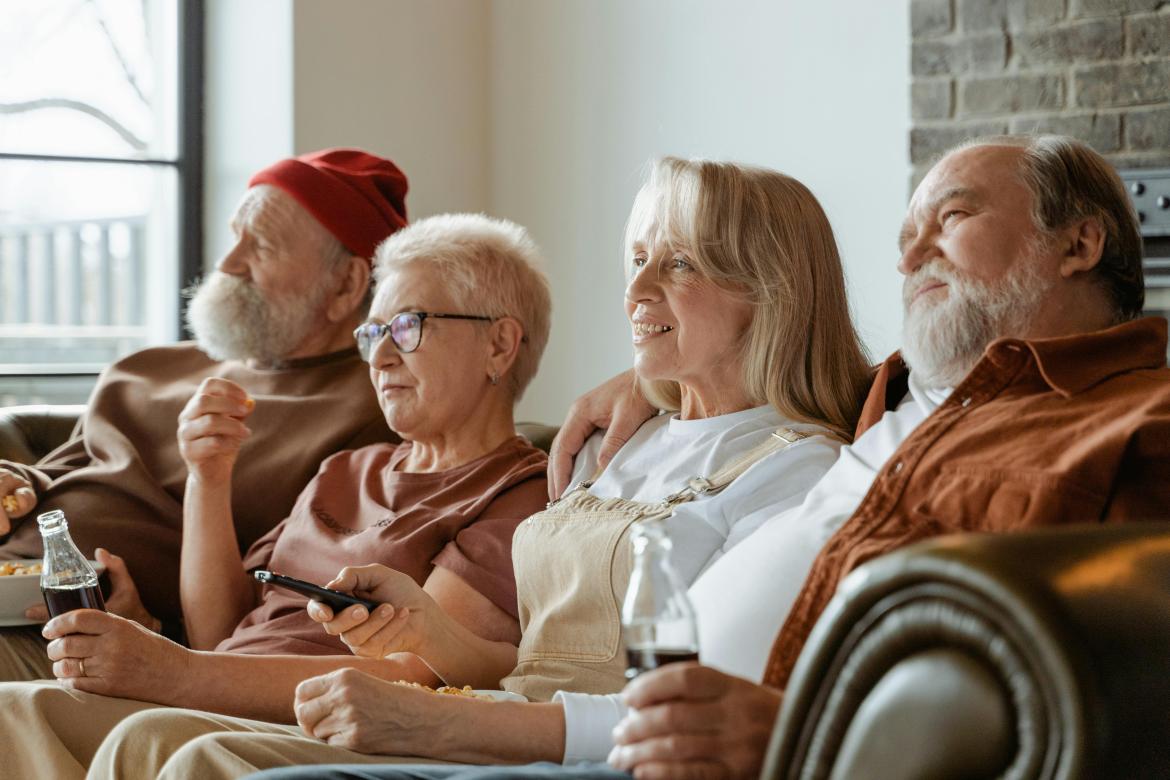
The study examines the representations of older adults in the most prominent Italian films distributed over the last seven years, relating them to content from the press and social media. Through a longitudinal analysis, the project aims to identify continuities, transformations, and recurrences in narrative frames, the social roles attributed to older characters, and the ways in which ageing is made visible, normalized, or, conversely, marginalized within the media space.
From a methodological standpoint, the research adopts an integrated design that combines qualitative and quantitative tools. Specifically, it employs linguistic-discursive analysis, a scoping review, and socio-psychological methodologies aimed at investigating subjective perceptions of ageing and the processes of identification or distancing in relation to media content.
As part of the project, a national survey was also conducted in collaboration with the Italian Cineforum Federation (FIC), aimed at understanding how the public interprets and receives representations of age in contemporary cinema. The survey explores the relationship between media narratives, the construction of images of ageing, and potential effects at the individual, cultural, and social levels.
In addition to its theoretical and empirical contribution, the project aims to actively contribute to overcoming ageist representations by providing tools and guidelines for professionals in the communication, health, and social sectors, and by developing collaborations with key institutions and organizations to promote more realistic and inclusive images of ageing.
Researchers: Pamela Giannetta
Scientific Director of the project: Professor Francesca Morganti
Progetto Ageismo nella stampa
Progetto Ageismo nei social media
Intergenerational University Editorial Project for Countering Ageism

This laboratory is part of the REINT2565 project. The primary objective of the activity is to dismantle age-related stereotypes through the establishment of an equal, intergenerational editorial team, where young people under 25 and adults over 65 collaborate under conditions of complete synergy and decision-making equality.
The core activity of the laboratory consists of the co-design and production of a digital magazine and various types of multimedia content, including podcasts, journalistic columns, short videos, and dual interviews. Through these formats, the mixed working group critically analyzes the media and addresses the evolution of language, shifts in the labor market, and the transformation of urban memory, comparing different lived historical experiences without any paternalistic approaches.
This operational model values intergenerational dialogue not as an asymmetrical transfer of skills, but as an engine for cultural innovation where the historical memory of senior participants and the digital literacy of youth complement each other. In line with the University's "Third Mission" activities, the laboratory demonstrates how intergenerational collaboration can generate a social counter-narrative capable of effectively countering ageism and promoting a more cohesive community.